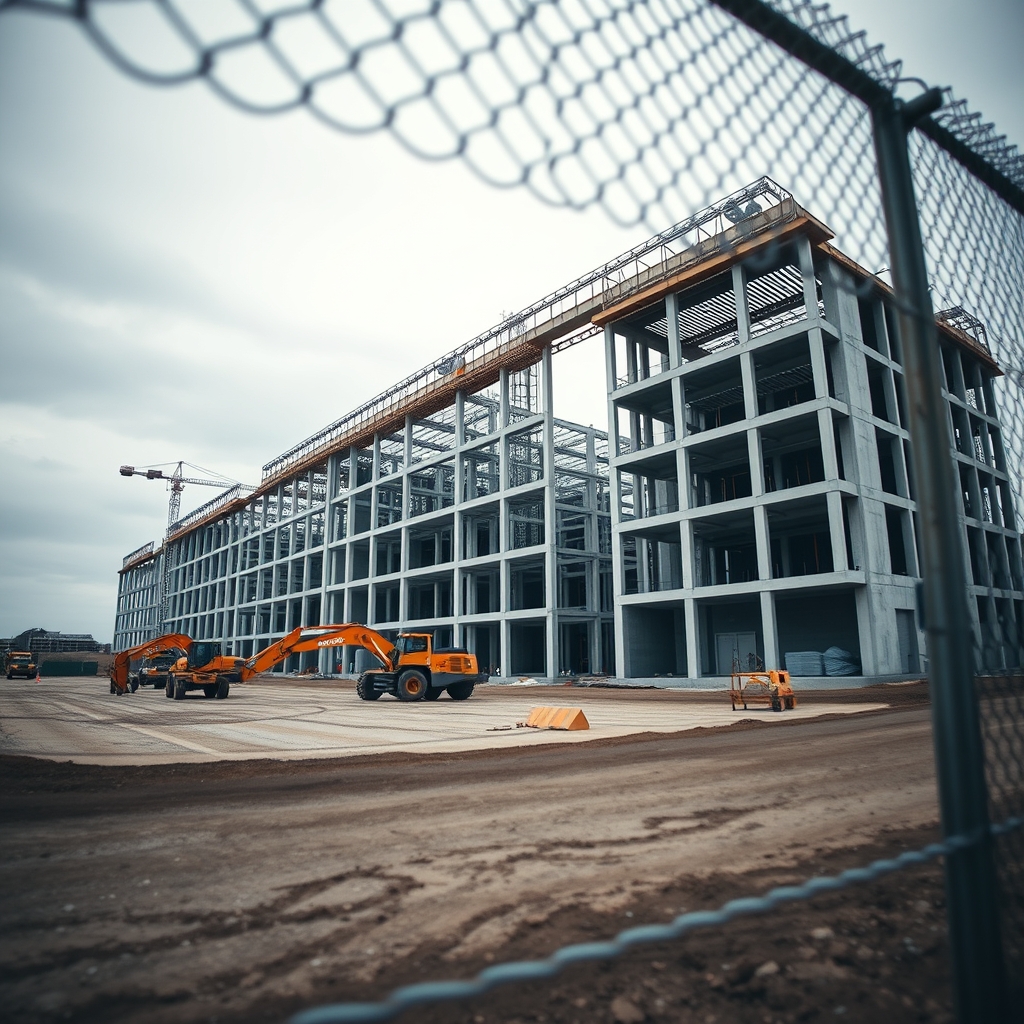
New York's historic data center moratorium, Microsoft's Xbox layoffs, and a lawsuit alleging AI-driven terminations at Meta are converging signals that the AI boom's frictionless growth phase is over — here's what engineering leaders need to understand.
The AI gold rush has run into something it rarely faced in its early years: friction. By mid-2026, a cluster of signals — a first-of-its-kind state infrastructure ban, high-profile restructurings at major tech companies, and a leading AI lab negotiating its political standing with the federal government — suggest the boom's frictionless growth phase is giving way to something more complicated.
This doesn't mean the AI era is ending. But hiring managers and engineers who assumed AI investment would keep expanding without meaningful constraint should read what is happening closely. The signals are concrete, and their implications for engineering teams are real.
New York's Data Center Moratorium: A Policy Earthquake for AI Infrastructure
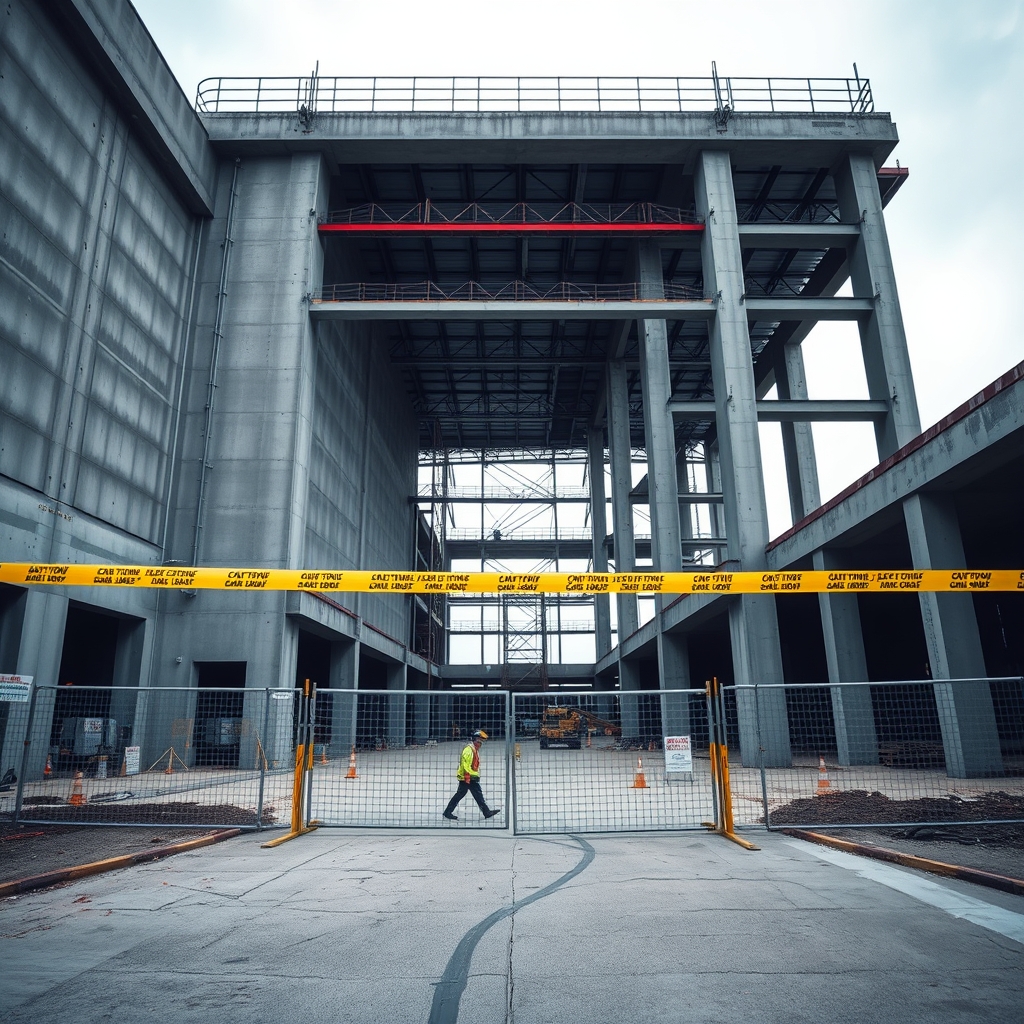
In July 2026, New York became the first U.S. state to impose a one-year moratorium on new data center construction. The Ars Technica report on the law describes it as something that may become a blueprint for anti-AI infrastructure movements elsewhere. The moratorium rattled an industry that had treated infrastructure expansion as an essentially unlimited green field, and it demonstrates that AI's appetite for power and land has become a genuine political liability — not a background concern.
This is not just a zoning story. Data center buildout represents a major category of high-demand engineering work — networking, power systems, systems architecture, site reliability engineering. If capital allocated to AI infrastructure is constrained by regulation, the pipeline of large-scale buildout projects, and the specialist roles they generate, may narrow with it.
The Verge's Stepback newsletter has flagged the growing opposition to data centers as a story worth sustained attention, suggesting community and regulatory resistance may extend beyond New York — though how broadly and how quickly that resistance spreads remains an open question.
Big Tech Is Restructuring Around AI's Core, Shedding the Periphery
The major platforms are reorganizing in ways that clarify AI's labor market dynamics heading into the second half of 2026.
Microsoft announced layoffs of 1,600 Xbox workers immediately, with another 1,600 to follow over the next fiscal year and four game studios closing — a significant restructuring of its entertainment division as reported by The Verge. The Xbox cuts aren't directly AI-driven, but they fit a recognizable pattern: big tech focusing headcount on AI-core priorities and shedding businesses at the periphery.
At Meta, a lawsuit filed in mid-2026 alleges that layoff decisions were executed by AI rather than human managers, with plaintiffs claiming workers with disabilities and medical conditions were disproportionately affected. Meta has denied using AI to make termination decisions. Whatever the litigation's outcome, the case has already opened a new category of legal and reputational risk around AI-assisted workforce management — one that engineering and HR leaders should monitor carefully.
Meanwhile, OpenAI is reportedly floating a 5 percent equity stake to the Trump administration as a way to ease political tensions and blunt public backlash. Whether or not that offer materializes, it signals an industry managing significant political exposure — not one operating from unchallenged momentum.
Taken together, these are not isolated incidents — they are converging signals that AI's growth phase is encountering regulatory, legal, and political friction that did not meaningfully constrain it in 2023 or 2024.
| Signal | What Happened | Implication for Engineering Hiring |
|---|---|---|
| New York data center moratorium | 1-year construction ban enacted, July 2026 | Infrastructure engineering pipeline may tighten in regulated states |
| Microsoft Xbox restructuring | 3,200 workers cut, 4 studios closing | Big tech consolidating headcount on AI-core roles |
| Meta AI layoff lawsuit | Plaintiffs allege AI made terminations; Meta denies | New governance and legal risk in AI-assisted HR decisions |
| OpenAI's 5% government stake offer | Reported offer to ease political and public backlash | AI industry managing political exposure at the highest level |

What This Means for Engineering Teams Going Forward
The honest read is that this is a recalibration, not a collapse. Demand for engineers who can design, deploy, and govern AI systems remains strong — but the nature of that demand is visibly shifting, and teams still planning around 2023 assumptions may find themselves misaligned.
A few interpretations worth naming, offered as the author's reading of the signals above rather than established market data:
Engineers who combine technical AI depth with fluency in governance, compliance, and regulatory risk are likely to find themselves in stronger demand as these pressures intensify. Companies that hired broadly for "AI enthusiasm" in 2023 and 2024 appear to be consolidating around engineers who can deliver outcomes in constrained, scrutinized environments — a meaningfully higher bar than general AI familiarity.
Infrastructure roles tied to unconstrained data center expansion face near-term uncertainty, particularly in states that might follow New York's moratorium model. And the Meta lawsuit, if it proceeds, may accelerate demand for engineers who understand how to build AI systems that preserve meaningful human oversight — a technical and governance challenge, not merely a legal one.
For organizations navigating this more complex environment — needing engineers who understand both AI systems and the regulatory and legal landscape they now operate in — Ryzlink forward-deploys AI-fluent engineering talent as a single engineer, a full pod, or an outcome-based partnership, accountable for what actually ships rather than just filling a seat.
If your engineering team's structure is worth rethinking in light of where the market is heading, reach out to Ryzlink — the conversation starts with your problem, not a pitch.
Comments
No comments yet — be the first to share your thoughts.